Ten seals, read one at a time
SynoGut Testing and Quality: What the Seals Do and Do Not Prove
SynoGut quality is shown through ten seals on the listing and nothing else. An FDA-registered facility seal describes a factory, not approval of a capsule. GMP is the legal baseline for every US maker. No auditor, doctor, factory address or third-party lab result was published, and CoA reference SYN-3292-26-SY has no document behind it.
How is SynoGut quality shown, and how far does it go?
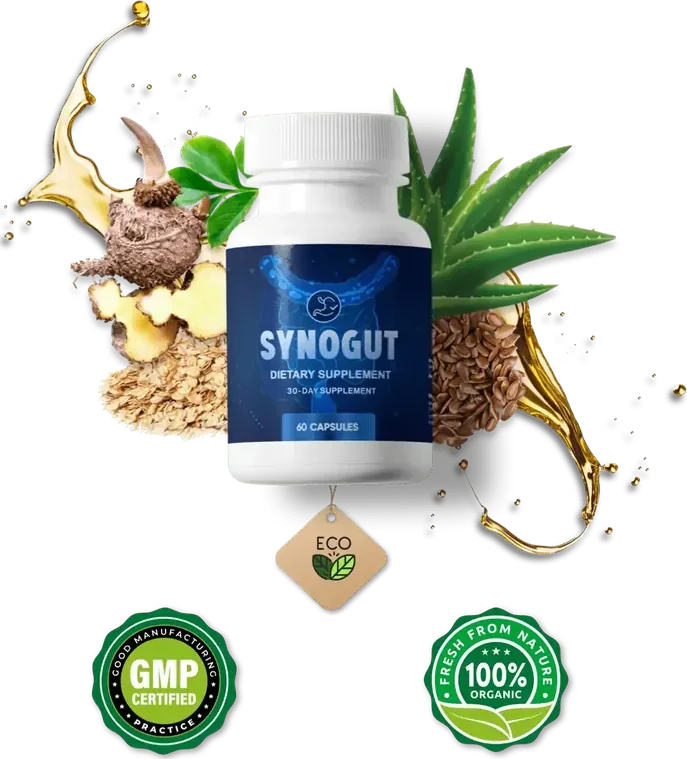
Through ten seals printed on the listing. No third-party lab result was published to us, so nothing here confirms what any batch contains.
Every seal below gets the same treatment: what it can fairly mean, then where its meaning runs out. None of the ten is dishonest on its face. Several are simply doing less work than a shopper assumes.

| Seal on the listing | What it can honestly mean | Where its meaning stops |
|---|---|---|
| FDA registered facility | A factory has filed its details with the FDA and can be inspected | It is not approval, review or testing of these capsules by any agency |
| GMP | Good manufacturing practice, the baseline every US supplement maker has to work to | No auditor is named and no audit date is given, so nobody can look it up |
| Manufactured in the USA | The brand says the capsules are made in the United States | No factory name and no address appear anywhere in the images we hold |
| Doctor formulated | The brand says a clinician had a hand in the formula | No doctor is named, and no qualification or role was published |
| Natural ingredients | The brand describes the contents as coming from plants and a clay | It is a description, not a standard. "Natural" has no fixed legal meaning for supplements |
| Non-GMO | The brand says no genetically modified material is used | No verification program or certificate number was shown to us |
| Vegetarian | The brand says the product suits vegetarians | The capsule material is not published, so the shell cannot be checked |
| Dairy free | The brand says the capsules contain no dairy | No allergen test result was published for any run |
| Naturally gluten free | The brand says the capsules contain no gluten | No tested figure and no certifying body were given, and one named ingredient is oat |
| Money-back guarantee | A refund window for buyers, set at checkout | It is a purchase policy. It says nothing about what is in a capsule |
Does an FDA registered facility mean SynoGut is checked by the FDA?
No. The agency does not review dietary supplements before they go on sale. That seal describes a building, not a capsule.
Food and supplement factories have to register with the FDA. Registering puts a site on a list and makes it open to inspection. It is not a review of a formula, and it says nothing about whether a product matches its label. The company behind a supplement, not the agency, is responsible for it being safe and correctly labeled (FDA).
The NIH Office of Dietary Supplements says the same thing in shopper language: supplements are not checked for safety or effect before they reach a shelf (NIH ODS). A registered facility roundel does not change that.
What do the GMP, made in USA and doctor formulated seals cover?
GMP is a real legal standard. Made in USA and doctor formulated are statements by the brand, and neither one names a factory or a person.
GMP
Good manufacturing practice sets out how a supplement plant must be run: written procedures, controlled materials, records for every batch. Every US maker is required to work to it, so the badge claims compliance rather than distinction. A badge with more behind it would name the auditing body and the audit date. This one names neither.
Manufactured in the USA
The brand says the capsules are made here. No manufacturer or distributor address appears in the images we were given, so there is nothing to check and nobody to ask. Where the psyllium, oat or flaxseed was grown is a separate matter, and it is not published either.
Doctor formulated
No doctor is named. No specialty, qualification or role in the work was published. A named clinician can be looked up and weighed. An unnamed one cannot, so the seal carries nothing you are able to verify.
What about the natural, non-GMO, vegetarian and dairy free seals?
All four are claims made by the brand. No certificate, audit or test result behind any was shown to us, and none is checkable against a Supplement Facts panel, because none was published.
Natural
A description of where ingredients come from. It is not a safety grade, and it is not a legal category. One of the six named ingredients is a clay, which is natural and also not a food.
Non-GMO
A statement by the brand. Independent verification programs exist and issue numbered certificates. No certificate number was published for this product.
Vegetarian
A statement about the contents. The capsule shell decides whether that holds for the whole product, and the shell material is not published.
Dairy free
A statement, not a test result. None of the six named ingredients is a dairy food, but no allergen testing was published to confirm the finished capsule.
None of that makes the four claims false. It makes them unverified, which is a different thing. The ingredients page takes each of the six named ingredients in turn.
The clay is worth one extra sentence. Bentonite clay products are not standardized from brand to brand, and the FDA has warned consumers about high lead levels in some clay products (FDA). That is a general point about clay products, not a finding about this one, and a published lab sheet is what would settle it.
Why does the gluten free seal sit next to an unspecified oat?
Because the listing prints both without connecting them. A naturally gluten free seal appears, and oat is one of the six named ingredients, with nothing said about how that oat was grown or handled.
Oats do not contain gluten themselves. The problem is the journey: they are often grown, stored and milled alongside wheat, barley and rye, so they can pick up gluten on the way. A gluten free claim on an oat product depends on whether the supply chain was set up to prevent that (FDA). Certified gluten free oats exist as a separate product for that reason.
The material we hold does not say whether this oat is certified. It gives no tested parts-per-million figure and names no certifying body. Anyone with celiac disease or a medical reason to avoid gluten should treat the seal as unconfirmed and ask the order desk on +1 (302) 200-3480 before ordering.
What is published
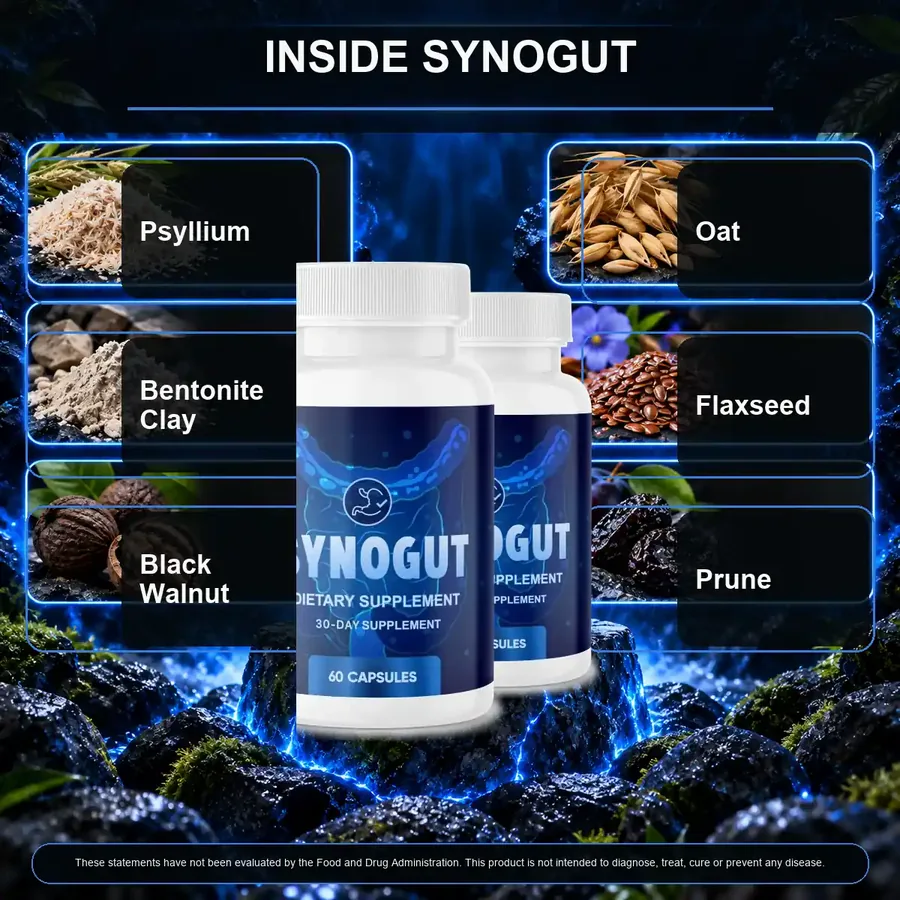
- Six ingredient names, in the order the sales page gives them.
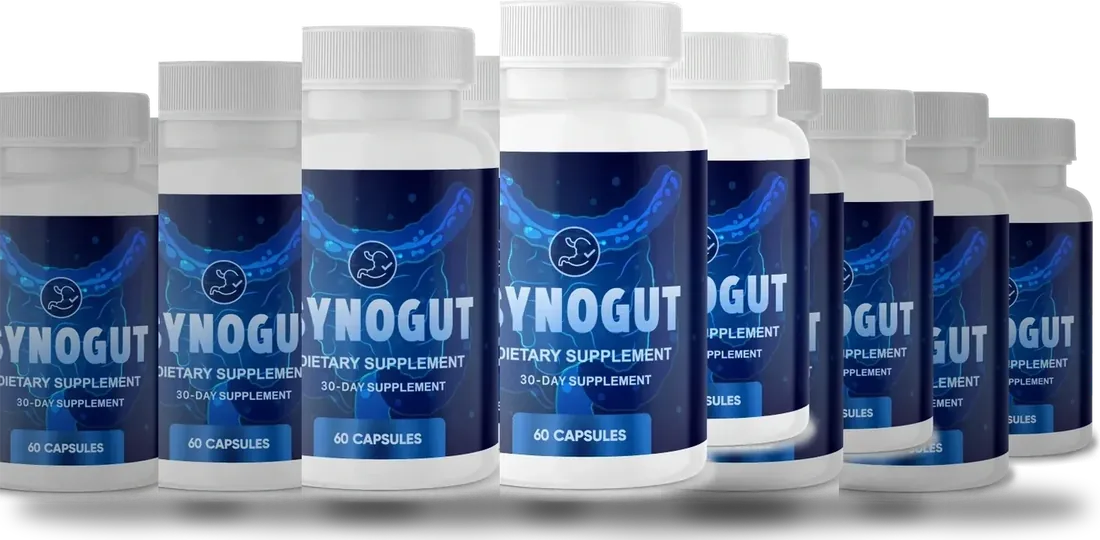
- The form: capsules, in a white and green bottle.
- The quoted sales line "Support the health of your digestive system with 100% natural ingredients".
- A 60-day money-back window, run by the order desk.
- Ten seals printed on the listing artwork.
What is not published
- A Supplement Facts panel. None was supplied, so none is printed here.
- The serving size, meaning how many capsules count as one.
- The amount of psyllium, bentonite clay, black walnut, oat, flaxseed or prune.
- Other ingredients and what the capsule shell is made from.
- Whether the oat is certified gluten free.
- Any third-party lab result, for any run, ever.
Are there third-party SynoGut lab results?
None have been published to us. We hold lot reference SYN-26/SY-3292 and CoA reference SYN-3292-26-SY, and no document sits behind either string.
A useful certificate names the laboratory, the date, the run it covers and the tests run, usually identity, purity, heavy metals and microbial counts. It either exists for a batch or it does not. Here we hold a reference label from our own listing. The batch check page explains what those strings can do.
Use the five steps below on any supplement listing, not just this one.
Look for the panel first
Amounts live in a Supplement Facts panel. None was published for this product, so every figure you might want to compare is missing before you begin.
Count names against numbers
Six ingredients are named. Zero amounts are given. A name with no number beside it cannot be lined up against research.
Ask who stands behind a seal
A seal that carries weight names a certifier and a number. These carry neither, so read them as the brand describing itself.
Ask for the paperwork by run
Request a certificate of analysis for the run you received. For this product we hold reference SYN-3292-26-SY and no document at all.
Take the bottle to a pharmacist
Especially if you take prescription medicine. A pharmacist can read the ingredient names against your prescriptions faster than any web page can.
One last thing. Digestive symptoms that last, get worse, or come with blood, pain or weight loss are a reason to see a doctor. No seal, certificate or capsule replaces that visit.
SynoGut quality questions people ask
Is SynoGut approved by the FDA?
No supplement is. The agency does not review dietary supplements before sale, and the registered facility seal refers to a factory being listed and inspectable.
Does the GMP seal mean an outside auditor checked the plant?
It does not say. Good manufacturing practice is the standard every US supplement maker already works to, and the seal names no auditing body or audit date.
Who is the doctor behind the doctor formulated seal?
Not published. No name, specialty or role appears in the material we hold. A named clinician could be checked. An unnamed one cannot, so the seal carries no weight you can test.
Is the oat in SynoGut certified gluten free?
Not published. Oats are often handled alongside wheat, so a gluten free claim depends on how they were grown and processed. If gluten matters medically, ask the order desk on +1 (302) 200-3480 first.
Is the vegetarian seal true of the capsule shell?
We cannot confirm it. The capsule material is not published, and the shell is the part that decides the question for a vegetarian buyer.
Can I see a certificate of analysis for my bottle?
Ask the order desk on +1 (302) 200-3480 with your order ID. This site holds reference SYN-3292-26-SY and no document. If a real certificate reaches us, we will publish what it shows.
Does the money-back seal say anything about quality?
No. It is a purchase term, 60 days from the date you buy, and the guarantee page sets out how it works.
Sources for this page
- U.S. Food and Drug Administration. Dietary Supplements. Source
- NIH Office of Dietary Supplements. Dietary Supplements: What You Need to Know. Source
- U.S. Food and Drug Administration. Gluten and Food Labeling. Source
- U.S. Food and Drug Administration. FDA warns consumers about lead in a bentonite clay product. Source
Keep reading
Ready when you are
Order SynoGut from the authorized US retailer
Capsules taken with water. Follow the label on your bottle. 60-day money-back guarantee. A real person at +1 (302) 200-3480 for orders, tracking and refunds.