Prescription and safety
Does SynoGut Need a Prescription? 5 Facts Before You Order
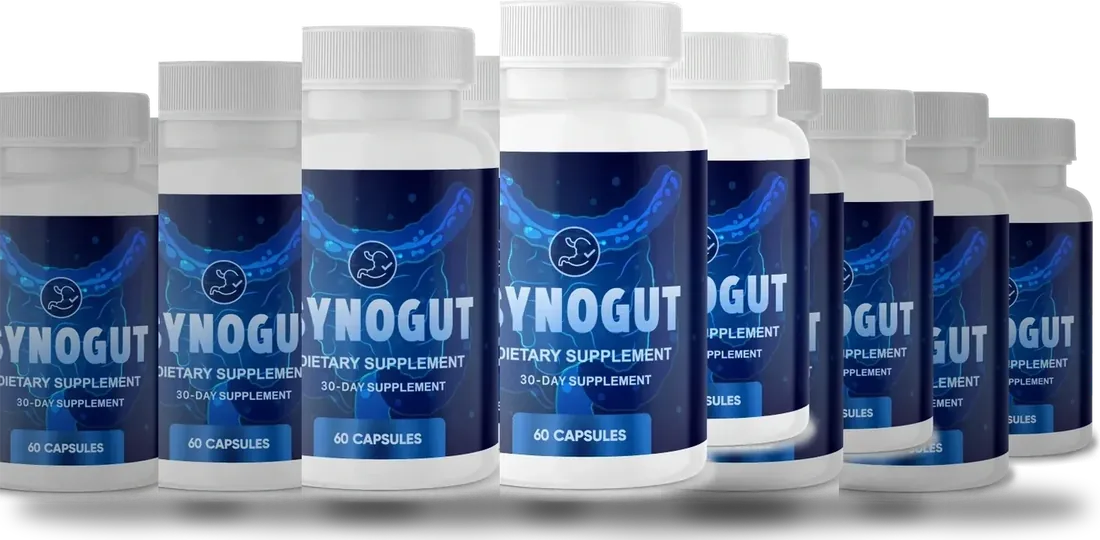
Nothing published says SynoGut needs a prescription. It is sold as a capsule dietary supplement to adults 18 and over, not as a medicine. That does not make it right for everyone. Five facts cover what no prescription means, what it does not, and when a doctor or pharmacist should hear about it first.
Key facts
- SynoGut is sold as a capsule dietary supplement for adults 18 and over.
- Nothing in the published material mentions a prescription requirement.
- A supplement is not a medicine, and it must never replace one a doctor prescribed.
- Psyllium and flaxseed can change how medicines are taken up, so timing matters.
- A pharmacist can check the six named ingredients against your medicine list for free.
What are the 5 facts about SynoGut and prescriptions?
Searchers often phrase this as a yes or no question. The honest answer has five parts, and the last two matter more than the first.
Fact 1: It is sold as a supplement
SynoGut is a capsule dietary supplement. The front label says so in plain words. It is not described as a medicine anywhere in the material this site holds.
Fact 2: No prescription is mentioned
Nothing published asks for one. This site does not run the checkout, so it cannot speak for what appears on the order screen. Read that screen before you pay.
Fact 3: It cannot stand in for a prescription
A supplement is not a substitute for anything a doctor put you on. Never stop or change a prescribed medicine to try one.
Fact 4: No prescription does not mean no risk
Black walnut is a tree nut, the oat's gluten status is open and two of the fibers can change how medicines are taken up.
Fact 5: A pharmacist is the free second opinion
Take the bottle and your medicine list to the counter. The six names can be checked against your list in a few minutes.
What does it mean that no prescription is needed?
It means the product is sold the way other dietary supplements are sold, over a checkout rather than through a clinic. It does not mean an agency has reviewed it. Dietary supplements are not reviewed by the FDA before they go on sale, and the company behind each one carries the responsibility for its safety and labeling (FDA).
The NIH Office of Dietary Supplements makes the same point in shopper language. Supplements are not checked for safety or for effect before they reach a shelf, so the buyer has to do more of the checking (NIH ODS).
Treat no prescription as a fact about the sales route and nothing else. It says nothing about whether the capsules suit you.
How does a supplement differ from a prescription medicine?
The table sets out the main differences in a way you can use at a pharmacy counter. It sticks to points this site can source.
| Question | A dietary supplement such as SynoGut | A prescribed medicine |
|---|---|---|
| Who decides you should take it | You do | Your prescriber |
| Reviewed by the FDA before sale | No. Supplements are not | Not part of this site's sources, so ask your pharmacist |
| Can it be sold to treat a condition | No. It cannot be described that way | That is what a medicine is for |
| Dose | SynoGut: no serving size published. Follow the bottle | Set by your prescriber and printed on the label |
| If you want to stop | Put the bottle down and tell your doctor if you feel unwell | Ask your prescriber before you stop |
The last row carries the most weight. A supplement is easy to put down. A prescription is not something to change on your own.
What could still make SynoGut unsuitable for you?
Four things. None of them needs a prescription to matter, and each has a plain next step.
- A tree nut allergy. Black walnut is a named ingredient, so the bottle is not for anyone with one.
- Strict gluten avoidance. The sales page does not call the oat certified gluten free.
- Daily medicine. Psyllium is kept about 3 hours from some medicines such as digoxin, aspirin-type salicylates and nitrofurantoin, and NCCIH says to ask your doctor about flaxseed if you take any medicine.
- Age and life stage. It is sold for adults 18 and over and is not offered during pregnancy or nursing.
If any of the four fits you, put the order on hold and speak to a doctor or pharmacist first.
What should you bring to a pharmacist or doctor?
A short list turns a vague worry into a quick answer. Bring the bottle, or a photo of the sales page ingredient list if you have not ordered yet.
| Item | Why it helps |
|---|---|
| The six names: psyllium, bentonite clay, black walnut, oat, flaxseed, prune | The pharmacist can read them against your own list |
| Every medicine you take, including over-the-counter ones | Timing advice depends on what you swallow and when |
| Your usual dose times | A gap of a few hours is easier to plan around real times |
| Any allergy or gluten diagnosis | It decides the black walnut and oat questions |
| A note that no serving size is published | The label on your bottle is the only direction there is |
Ask two questions: does anything here clash with what I take, and what gap should I leave? Write down the answers. Do not move or skip a prescribed dose to make room for a supplement.
When should you see a doctor instead of ordering?
Whenever digestive symptoms are new for you, last, get worse or come with blood, pain or weight loss you cannot explain. Only a clinician can look at you in person and request tests. A website and a capsule cannot do either.
Ongoing digestive trouble has many causes, and several of them are treatable once somebody looks properly (NIDDK). Buying a supplement first mostly buys delay.
If you already have a plan from your doctor, follow it. Nothing on this site is meant to change it.
How do you order sensibly once the checks are done?
Read the whole checkout before you pay. The pack total, shipping, tax and the written terms all show there. Keep the confirmation email, since it holds the order ID and the 60-day guarantee terms as they stood that day.
When the bottle arrives, read the label first and follow it. If it prints no directions, call the order desk on +1 (302) 200-3480 before the first capsule. Do not take a number of capsules from any website, including this one.
Then take it with water, leave a gap from your pills and note how you feel. The money-back window is there if you decide it is not for you.
Frequently asked questions
Does SynoGut need a prescription?
Nothing published says it does. It is sold as a capsule dietary supplement to adults 18 and over. Read the checkout screen for anything it asks of you.
Is SynoGut a medicine?
No. It is a dietary supplement. It is not FDA approved, and it is not meant to diagnose, treat, cure or prevent any disease.
Can I take SynoGut with prescription medicine?
Ask your prescriber or a pharmacist first. Psyllium and flaxseed can change how a medicine is taken up, so a gap of a few hours is the usual advice.
Can I stop my prescription to try SynoGut?
No. Never stop or change a prescribed medicine to try a supplement. Talk to the prescriber first.
Is it safe because no prescription is needed?
No. Safe for you depends on allergies, gluten, medicines and age. Black walnut is a tree nut, and nothing says the oat is certified gluten free.
Who can answer my medicine questions?
Your doctor or pharmacist. The order desk and this site can discuss the label and your order, not your medicines.
Our view
No prescription is mentioned, and that is all it means. It describes how the product is sold, not whether it is right for you. The checks that decide that are about allergies, gluten, your medicines and your age, and they are quick to run.
SynoGut is a dietary supplement. It is not FDA approved, and no supplement is. Keep your prescriber in the loop, and take your questions to a pharmacist before the first capsule.
Sources for this post
- U.S. Food and Drug Administration. Dietary Supplements. Source
- NIH Office of Dietary Supplements. Dietary Supplements: What You Need to Know. Source
- MedlinePlus. Psyllium. U.S. National Library of Medicine. Source
- National Center for Complementary and Integrative Health. Flaxseed and Flaxseed Oil: Usefulness and Safety. Updated February 2025. Source
- National Institute of Diabetes and Digestive and Kidney Diseases. Constipation. Source
Read next

Ready when you are
Read the packs and terms
If your questions are answered, the order page lists the packs, totals and written terms before you pay. If they are not, wait and ask first.
Synogutdaily earns a commission when a reader buys through an order link on this site. Your price stays the same.